Nunzio

Nunzio
Untitled
1992
126 x 156 x 12 cm
Combustion on wood and iron
Nunzio Di Stefano's sculpture does not include, among its iconographic references, the images of sensitive reality or symbolic language. Any similarities that it presents with these areas are encountered and recognized by the artist during the process of investigation and processing of the material, and later witnessed by some of the titles of his works. This attention to the possibilities of surprise and revelation offered by the procedural side is noticeable since his beginnings, which saw him create large plaster forms first traced on object elements, then pigmented through their immersion in water color: a procedure that allowed to the architect only partial control over the result. Having become one of the exponents of the New Roman School, Nunzio achieved international fame with his participation in the 1986 Venice Biennale, where he received the prize as best young artist. In the meantime, the wood had become the material of choice for his sculpture, listened to in his poetic suggestions and at the time contaminated by the addition of wax, lead and pictorial interventions. Through his works, sometimes included in large thematic projects, the artist subsequently deepened the spatial value of the sculpture, as well as underlining the original expressiveness of the materials used. The combustion of wood is a very frequent practice in Nunzio's work; the Untitled 1992 testifies to this, where the energy of the element comes into contact with that of iron, to reach a powerful expressive outcome and ideally close to the category of 'monumental'.
Other Artists
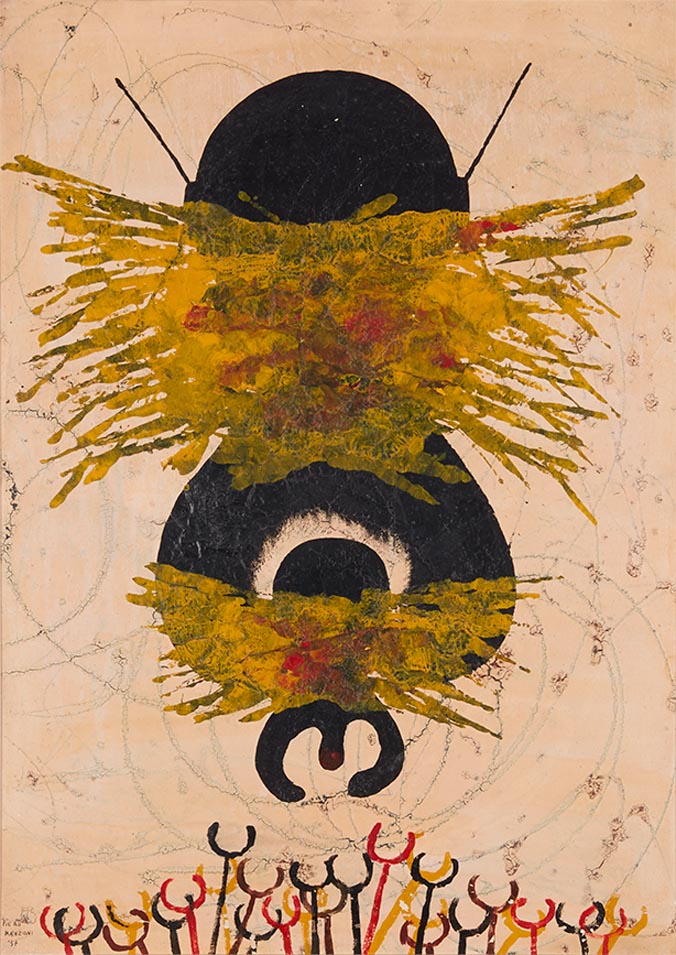
Piero Manzoni
Untitled
1956
70 x 50 cm
Oil and tar on canvas
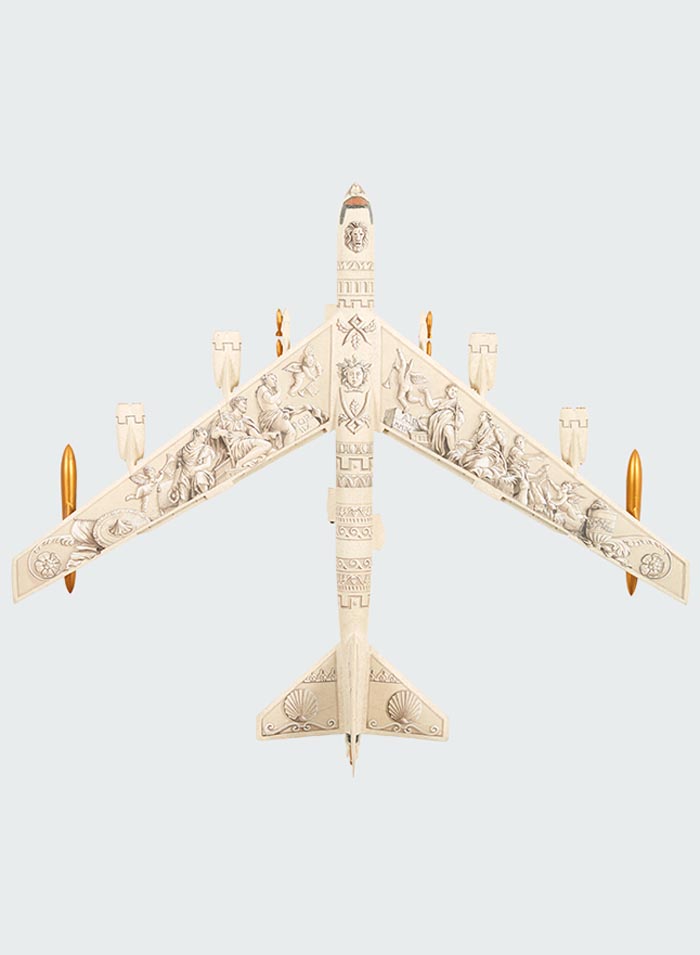
Antonio Riello
Neoclassic B 52
2004
80 x 70 x 20 cm
Plastic, metal and acrylic paint
Achille Perilli
Achille Perilli
Gesetz des Labyrinths
1975
200x280
Oil on canvas